


NEWS
13-02-2024
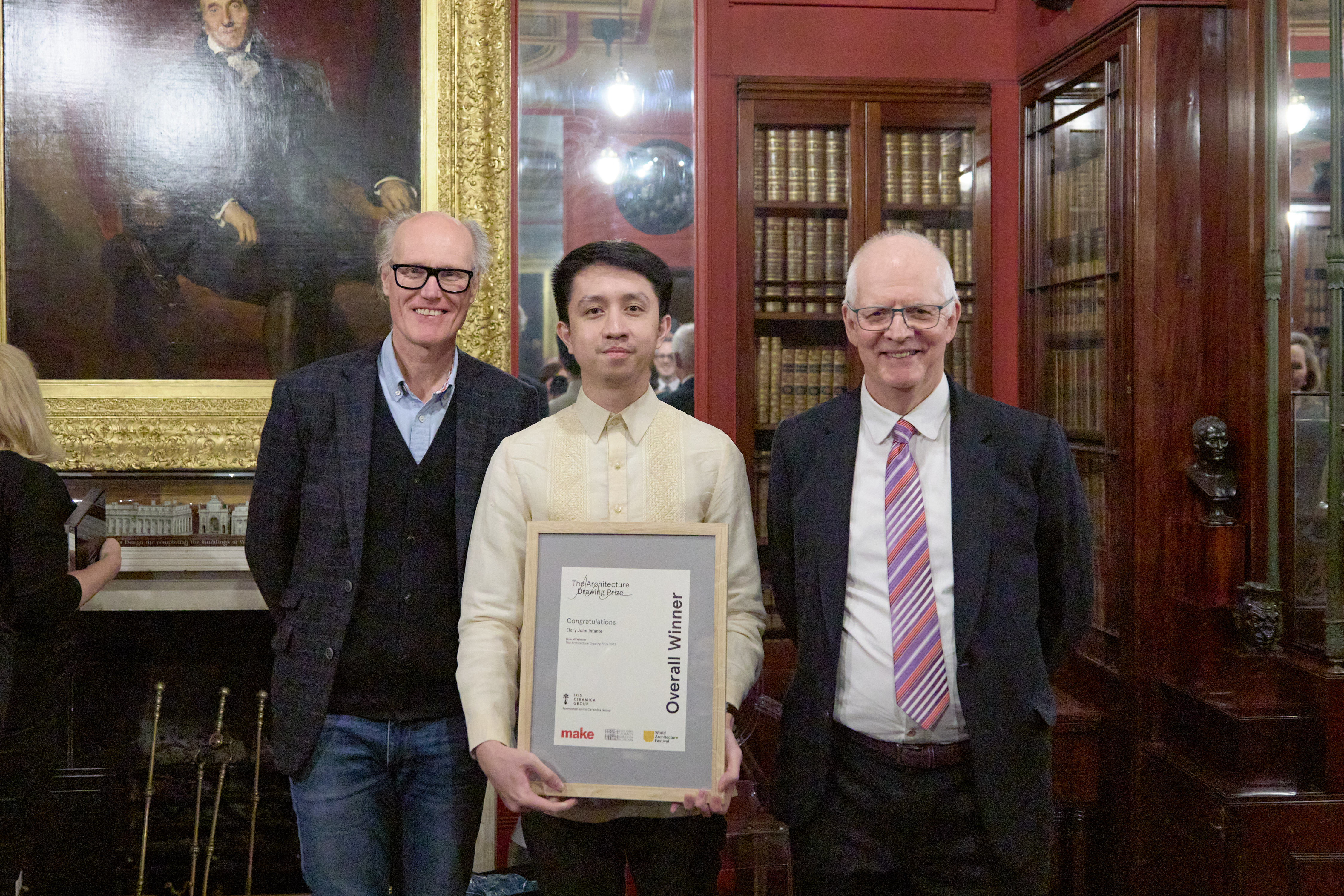
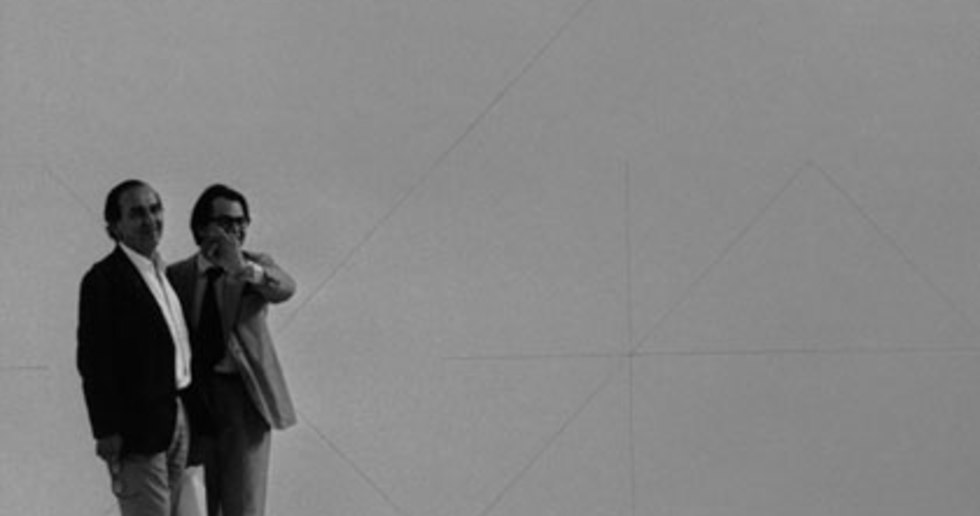
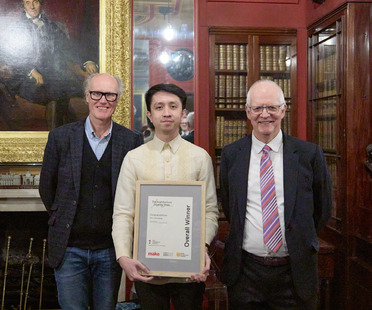
THE ARCHITECTURE DRAWING PRIZE AT THE SIR JOHN SOANE’S MUSEUM IN LONDON
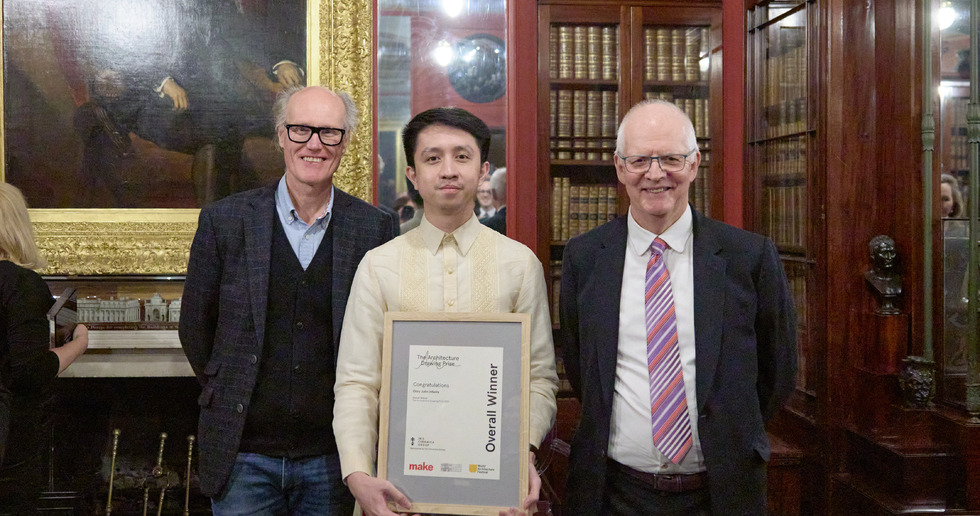
From the 31st of January to the 3rd of March, the works of the finalists and winners of the 7th edition of the Prize celebrating architectural drawing, will be displayed at the Sir John Soane’s Museum in London
22-12-2023
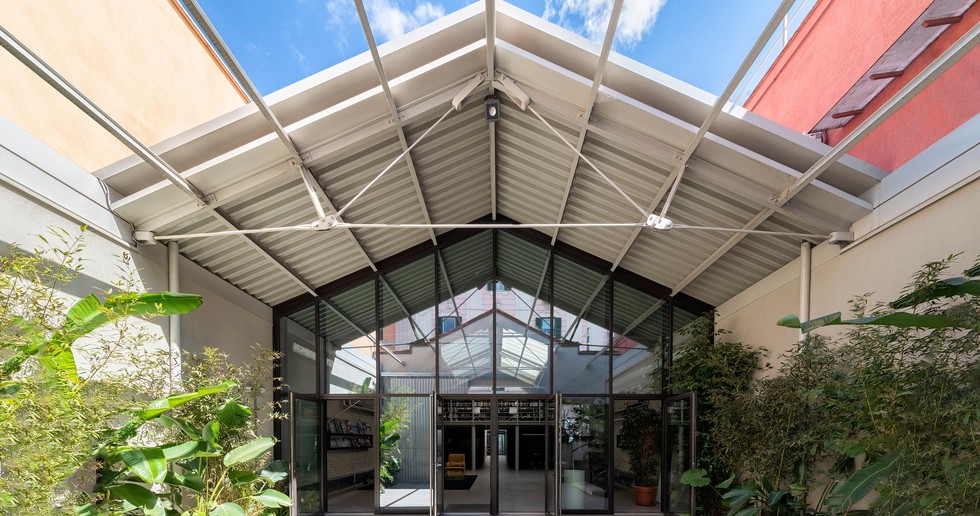
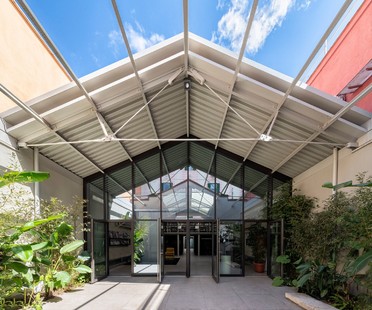
Westway Architects: From the "Reti 15" Recovery, to Iconic Projects in Italy and Ethiopia
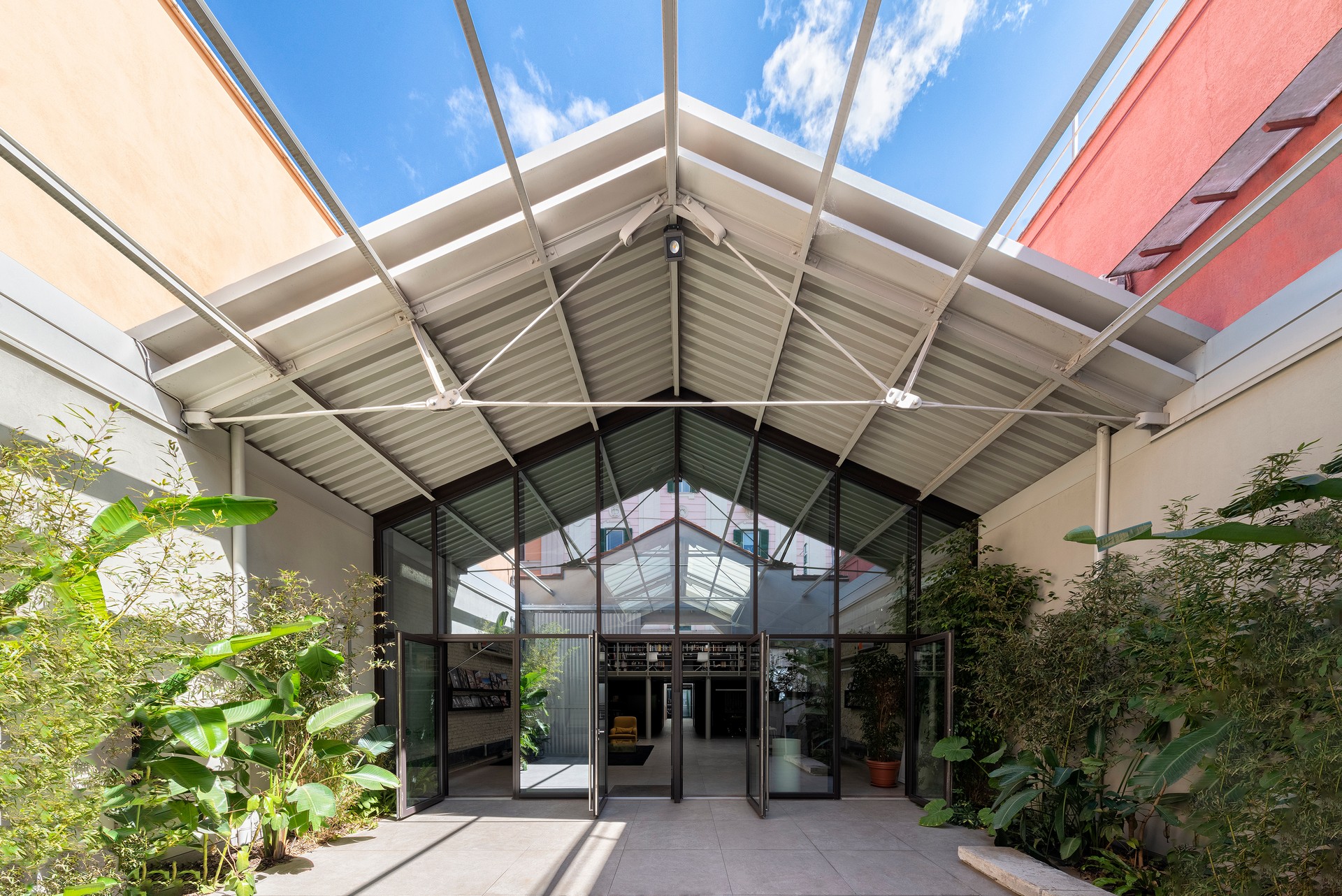
Westway Architects has transformed a former industrial space in Rome's San Lorenzo district into "Reti 15", an innovative architecture studio and versatile events space. The project, led by Luca Aureggi, Maurizio Condoluci and Laura Franceschini, reflects the Studio's distinctive design philosophy, which preserves the traces of the place and favours unique future-oriented solutions
18-12-2023
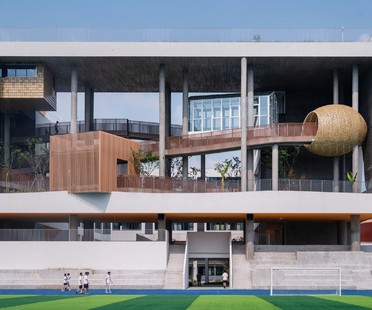
Huizhen High School: a campus that celebrates free thought
Huizhen High School, designed by the Approach Design Studio in collaboration with the Zhejiang University of Technology Engineering Design Group, is a campus that breaks the traditional mould of school buildings, allowing students to relax and "waste their time mindfully". The project was initially selected in the Completed Building School category of the World Architecture Festival, and went on to win the World Building of the Year title
Architecture and materials
Floornature is an international portal about architecture, design and design culture, investigating the contemporary with a special focus on sustainability. Its vocation, from the micro to the macro-scale of creativity, is to present new developments in architecture and design as they happen, with the specific intention of tracking emerging trends. The portal features special focus articles on materials for architecture and interviews with great masters of architecture and design.
Blog
27-12-2023
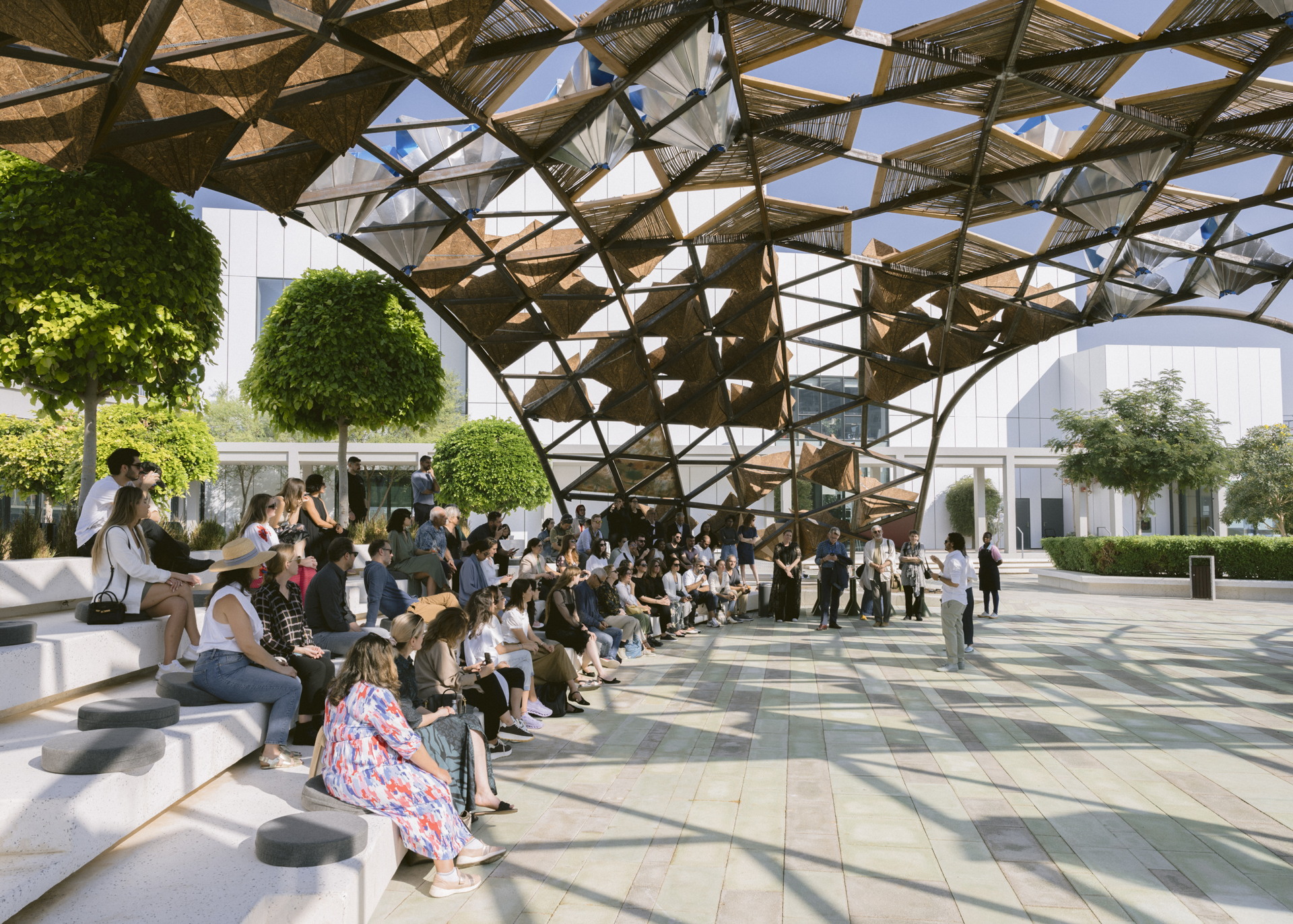
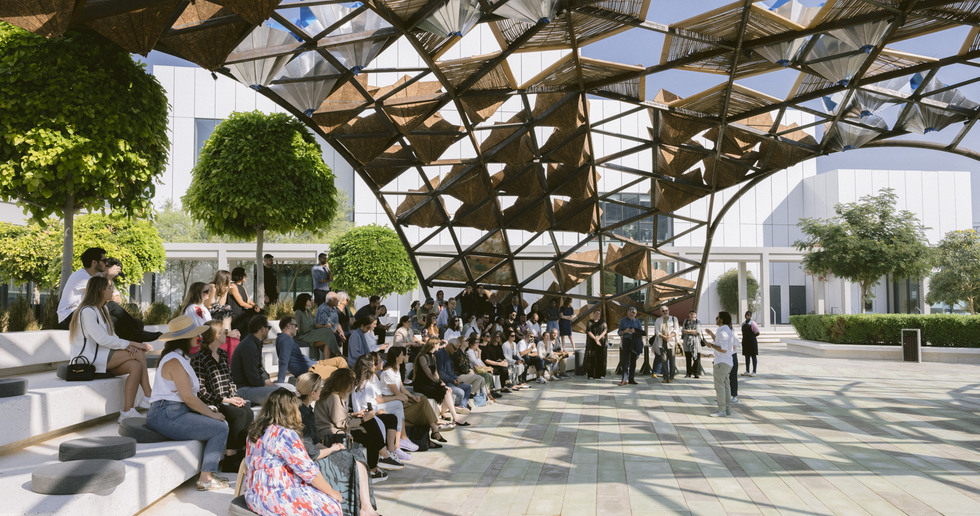
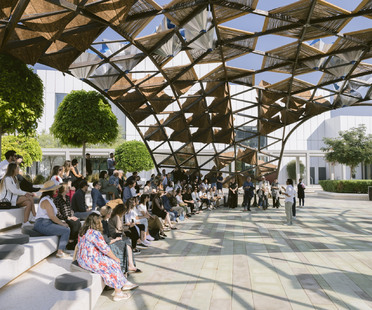
Tarabot by theOtherDada: Biodiversity and sustainability at the Jameel Arts Centre for COP28
Tarabot: Weaving A Living Forum, inspired by an idea by architect Adib Dada of studioOtherDada in Beirut, is a sustainable pavilion inaugurated during COP28 at the Jameel Arts Centre in Dubai. Made with locally sourced materials such as clay, mycelium, date palm waste and upcycled fabric, the pavilion incarnates a circular, ecological ethic and promotes biodiversity.
13-12-2023
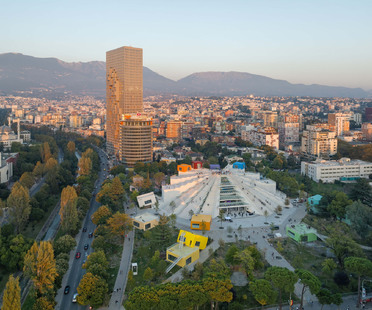
The Pyramid of Tirana: transforming a historic monument
Dutch architectural practice MVRDV has completed an important project transforming an old monument in the Albanian capital. A facility opened in 1988 as a museum about the dictator Enver Hoxha has now been given new life as a vibrant cultural centre and educational facility in the heart of Tirana, demonstrating the great potential of historic constructions in Brutalist style.
06-12-2023
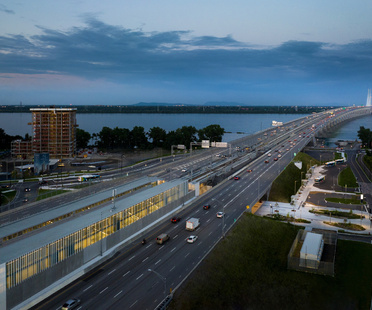
Montreal's new light rail system, the Réseau Express Métropolitain
The innovative design of the Réseau Express Métropolitain (REM)'s stations heralds an era of transformation for Montreal's cityscape. The inaugural Rive-Sud line, designed by the Lemay, Bisson Fortin and Perkins & Will consortium, is an important component of the REM, reflecting on the Canadian city's commitment to sustainable public transport as a symbol of its regeneration.
Podcast
Design&Trends
20-12-2023
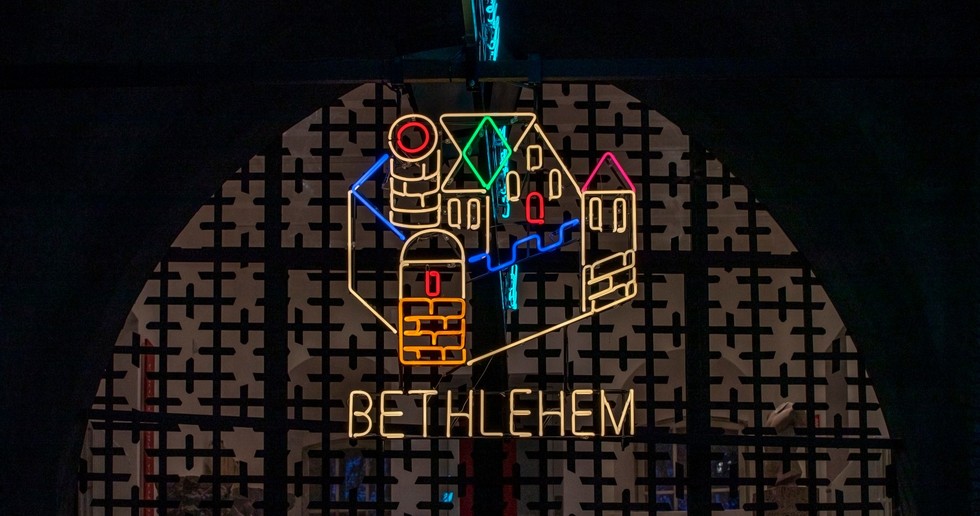
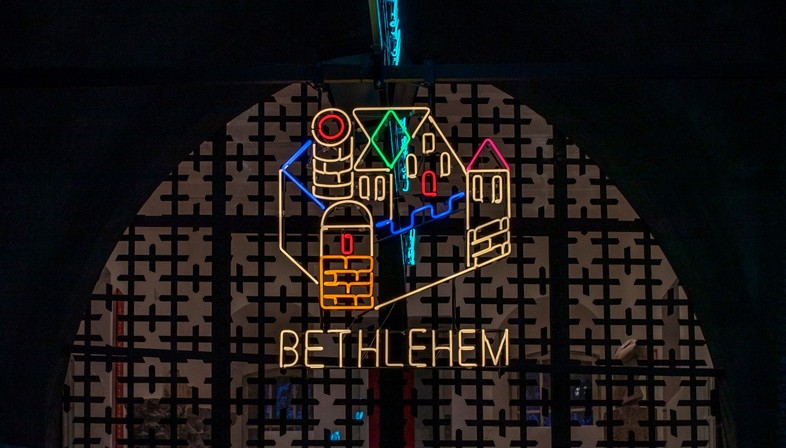
Not your usual Christmas lights
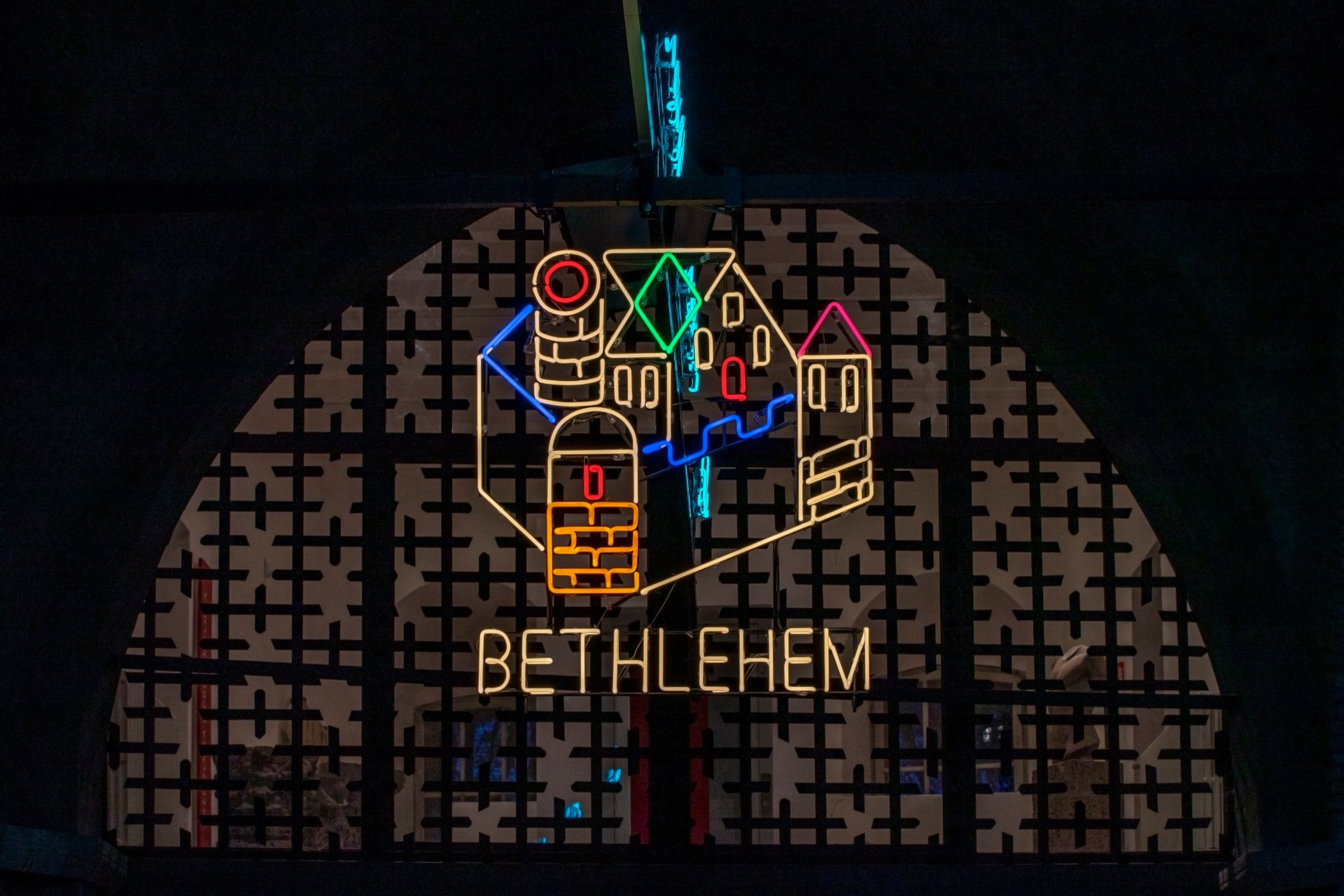
Changing from inside, renewing the urban dimension of Christmas: this is the goal of Christmas Design, a community event in Bergamo based on an idea by landscape architect Maurizio Vegini, in which nineteen light installations designed especially for the occasion by artists, architects and designers are funded by local businesses, lighting up the heart of the city.
THE ARCHITECTS SERIES
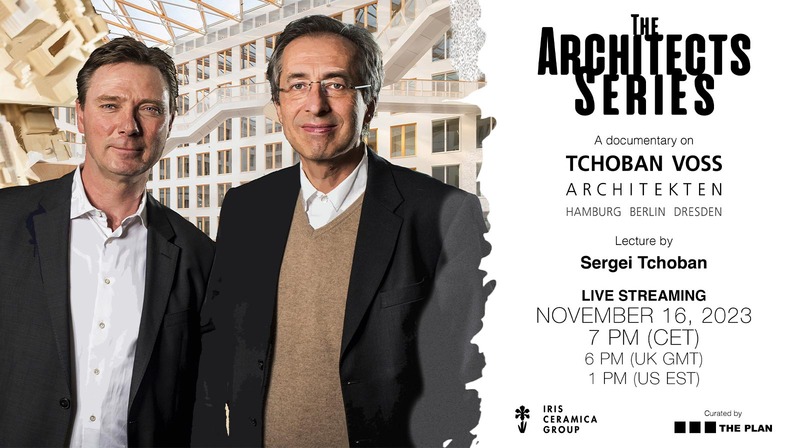
The Architects Series – A documentary on: TCHOBAN VOSS Architekten
PROJECTS
06-07-2023
Projects
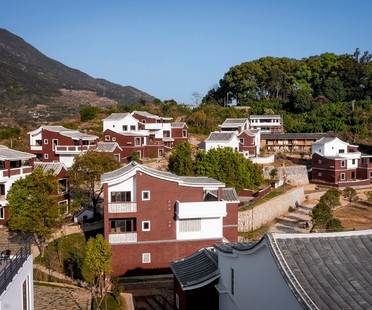
Founding a rural community in Yongchun County
What is happening in the Chinese countryside of Fujian province? The government has appointed ten architectural practices to come up with a pilot project for the development of pioneering residential neighbourhoods in rural areas.
27-12-2022
Inspiring Spaces
Creative freedom and customised design: DYS - Design Your Slabs
The latest new technological solutions and the versatility of ceramic materials have allowed decoration to return to a role of prominence in interior design.
22-06-2023
Projects
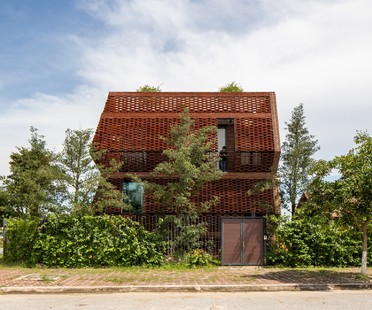
The roots of a new housing model for Vietnam
Just like a bird’s nest, a new prototype house for Vietnam’s cities - proposed by H&P Architects - is a model that prioritises protection and lightness, constructed by assembling traditional local bricks in an unprecedented way.
08-06-2023
Projects
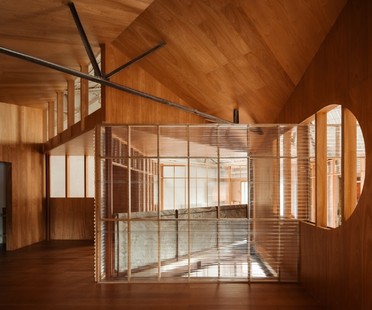
In search of Escher in Beijing
In an adaptive reuse project aimed at creating the new ZIIN store in Beijing, Atelier tao+c explores the relationship between container and contents.
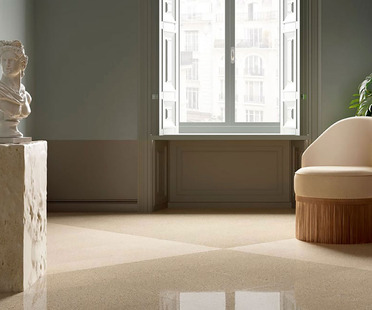
13-12-2022
Inspiring Spaces
Fiandre Architectural Surfaces Il Veneziano: all the attraction of contemporary classic style
.
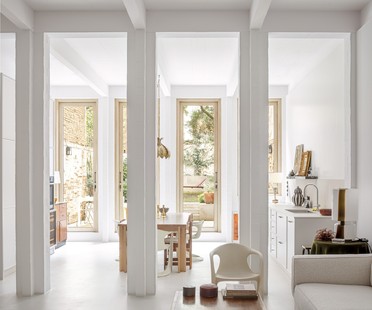
25-05-2023
Projects
Aspiring to transparency by pivoting away from the past
It immediately stands out from the dense building curtain first and foremost because it allows room to breathe.
13-12-2022
Inspiring Spaces
Fiandre Architectural Surfaces Il Veneziano: all the attraction of contemporary classic style
.
25-05-2023
Projects
Aspiring to transparency by pivoting away from the past
It immediately stands out from the dense building curtain first and foremost because it allows room to breathe.
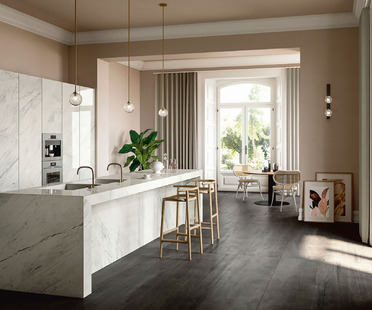
06-12-2022
Inspiring Spaces
Sapienstone: design ideas for the kitchen of 2023
Kitchens featuring black and white high-tech ceramic surfaces are setting the trend for the new year.
Biographies
Architect
Humberto Hermeto
Founded in 1996, the office has worked on several projects in different scales. The office try to work with a wide range of collaborators to enhance the dialogue and consequently the results. Located in Belo Horizonte, it has projects in different brazilian states. Main projects 1997 – Praça da Bandeira (Bandeira´s Square) – National Competition – 1st prize (Belo Horizonte) 2001 – COHAB ....
Architect
UN Studio Ben Van Berkel & Caroline Bos
Founded in 1988 by Ben van Berkel and Caroline Bos, UNStudio is a Dutch architectural practice specialising in urban development, infrastructure and masterplan projects. Its central offices are in Amsterdam and Shanghai. This second office (UNStudio Asia) was opened in 2009 and was initially opened to work on the design of the famous Raffles City in Hangzhou. In 25 years of experience working all over the world, the studio has constantly expanded its scope to offer full-service ....
Architect
PROJECT ORANGE
The London-based architecture and design studio Project Orange (PO) was founded in 1997 by Christopher Ash and James Soane. Ash graduated from Cambridge in 1991 and then completed his training at several firms in London (including Michael Squire & Partners). Soane studied in Cambridge and graduated from the Bartlett School of Architecture: until 2001, he worked in Sir Terence Conran’s design firms, where he carried out his vocational training and activities as a ....